


-8962bde3-077b-485e-ba45-cd814dc48fb8.jpg)
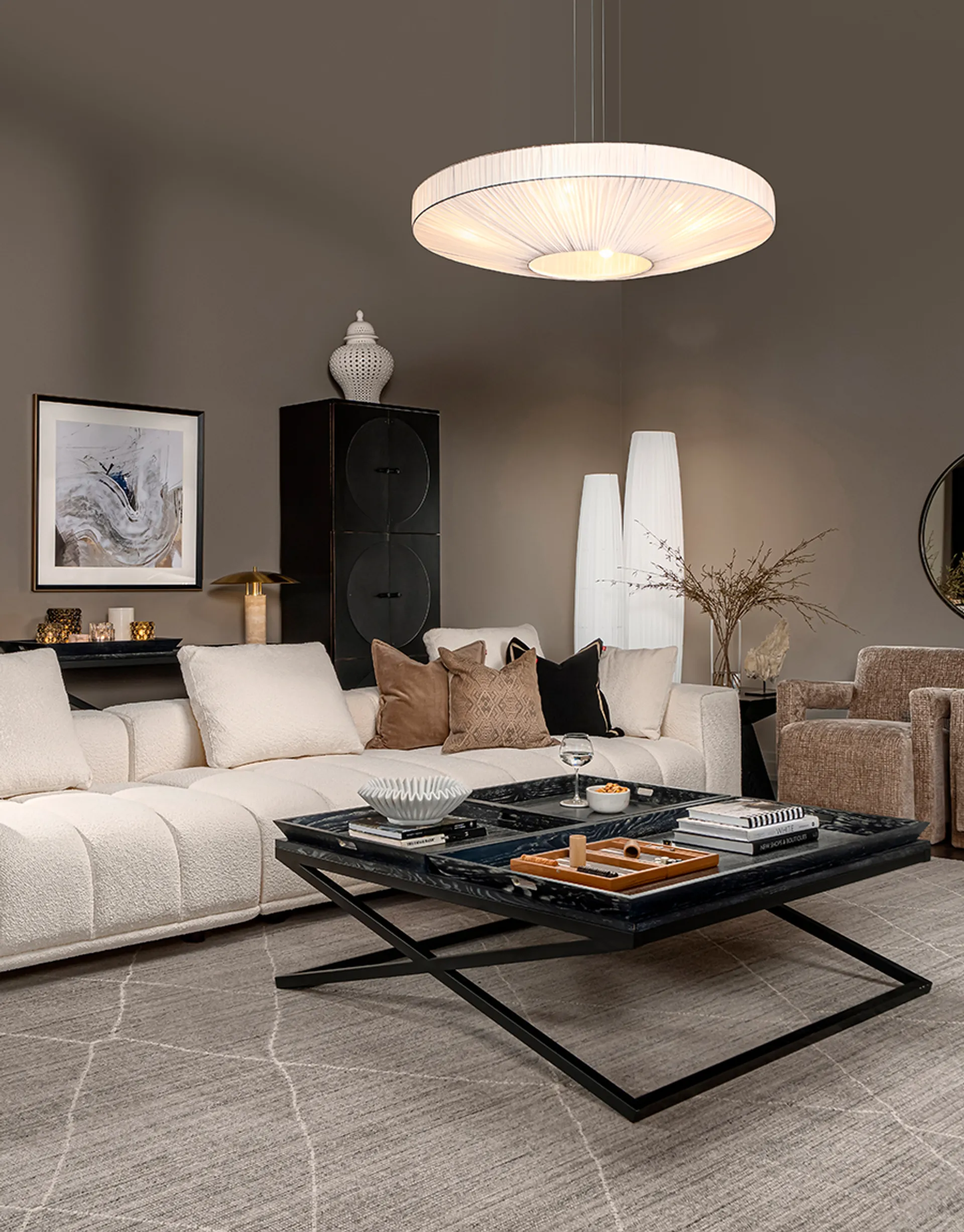
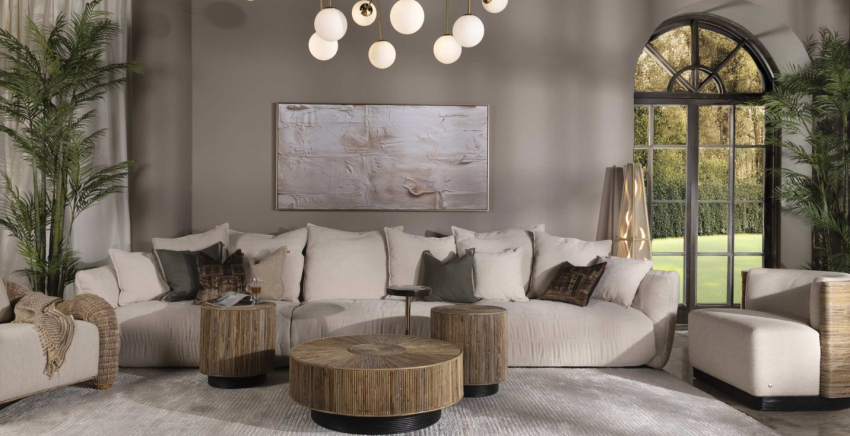
From more structured pieces to relaxed, modular designs, different sofas reflect different ways of sitting, living, and using a space.
Not all sofas are designed in the same way—and once you start noticing it, it’s hard to unsee.
Some sit more upright, with a more structured feel. Others are lower, deeper and made for stretching out. Some are more classic in shape, whilst others feel softer and more relaxed.
These differences aren’t just about style. They tend to reflect how a sofa is meant to be used—and how people naturally sit, gather and spend time around it.
This guide looks at a few of the ways sofas differ, and what those differences often come down to.
1. More Structured vs More Relaxed
Some sofas have a more upright feel, whilst others are designed to be deeper and more laid-back—often shaping how they’re used day to day.
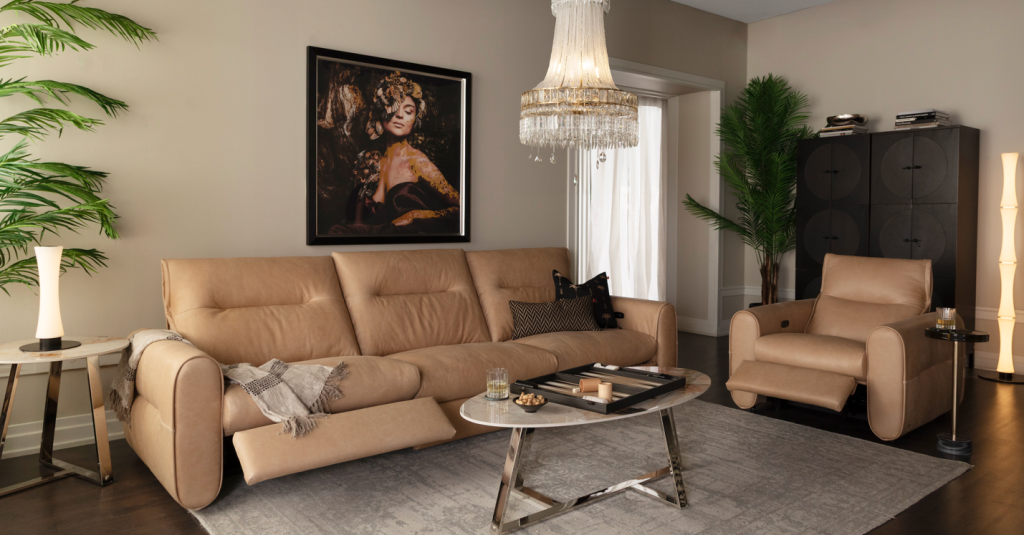
A more structured sofa tends to encourage a more upright sitting position. It can feel supportive, organised and well suited to conversation, reading or entertaining guests.
More relaxed sofas are often deeper, lower and designed with comfort in mind. These are the pieces people naturally sink into during a film, an afternoon nap or a long weekend at home.
Neither approach is better than the other. They simply suit different ways of living.
2. Classic Shapes vs More Contemporary Forms
From traditional silhouettes to simpler modern designs, different shapes bring a different feel to a room.
Classic sofas often feature more defined details, balanced proportions and a sense of structure. They can bring a feeling of familiarity and timelessness to a space.
A modern sofa tends to focus on cleaner lines and simpler forms. These designs often feel lighter, more relaxed and easier to incorporate into a variety of interiors.
A curved sofa introduces something different again. Its softer shape can help break up straight lines within a room and create a more fluid, conversational layout.
The shape of a sofa influences not only how it looks, but also how a room feels.
3. Fixed Pieces vs Modular Setups
Some sofas come as one defined piece, whilst others are modular—allowing for greater flexibility from the start.
A fixed sofa offers a clear, ready-made solution. You choose the size and shape, place it within the room and build the space around it.
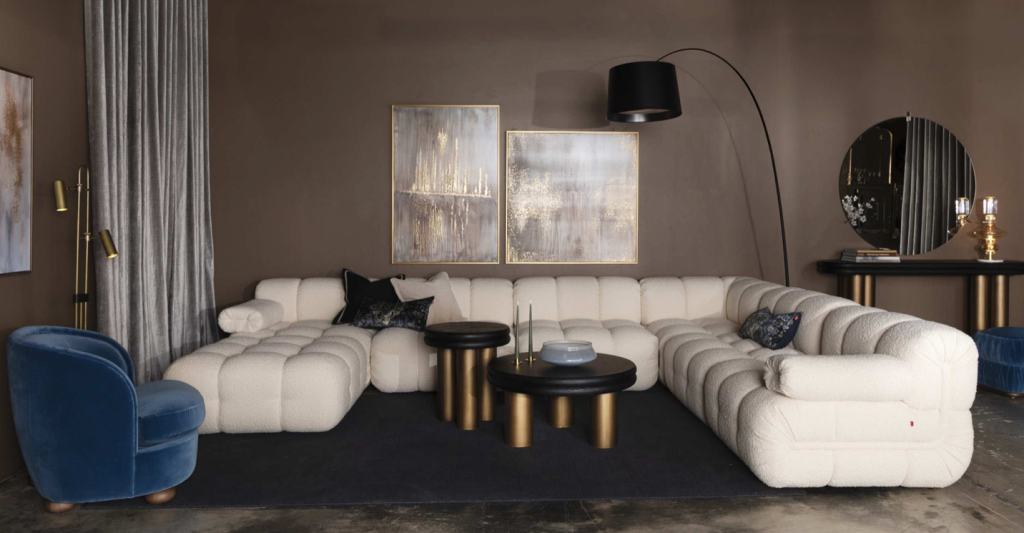
A modular sofa works differently. Rather than selecting a standard configuration, you can create a sofa that suits your room size, layout, lifestyle and seating requirements from the outset.
This flexibility makes modular sofas particularly useful when furnishing spaces that don’t quite suit standard dimensions or when you want a seating arrangement tailored to the way you live.
4. Defined Seating vs More Open Arrangements
From 2 and 3 seaters to larger corner sofas and sofa with chaise designs, the way seating is arranged can feel more structured or more open.
A 2 seater sofa creates a compact seating area that works well in smaller rooms or as part of a larger arrangement.
A 3 seater sofa often becomes the foundation of a living room, offering a balance between comfort and flexibility.
Larger layouts, including corner sofas, sofa with chaise designs, 4 seater sofas and 5 seater sofas, create a more connected seating experience where people naturally gather together.
The right arrangement often depends less on room size and more on how the space is used.
5. Materials and Finishes
Fabric, leather and other finishes can influence both how a sofa looks and how it feels over time.
Materials affect much more than appearance. They influence comfort, texture and how a sofa ages with use.
Some fabrics feel soft and relaxed from the beginning. Others hold their shape more firmly and create a more tailored appearance. Leather develops character over time, whilst textured fabrics can add warmth and softness to a room.
These details may seem subtle, but they play a significant role in the overall personality of a sofa.
Explore Different Ways to Sit and Live
Explore our collection of sofas, from classic designs to more relaxed modular pieces, each offering a different way to sit and live.
The more time you spend looking at sofas, the more you realise that they are designed around different habits, routines and lifestyles.
Some are made for conversation. Others are made for stretching out. Some help define a room, whilst others create a softer and more relaxed atmosphere.
That’s why not all sofas look the same. They’re designed for different ways of living—and finding the right one often starts with understanding how you like to spend your time at home.