


-8962bde3-077b-485e-ba45-cd814dc48fb8.jpg)
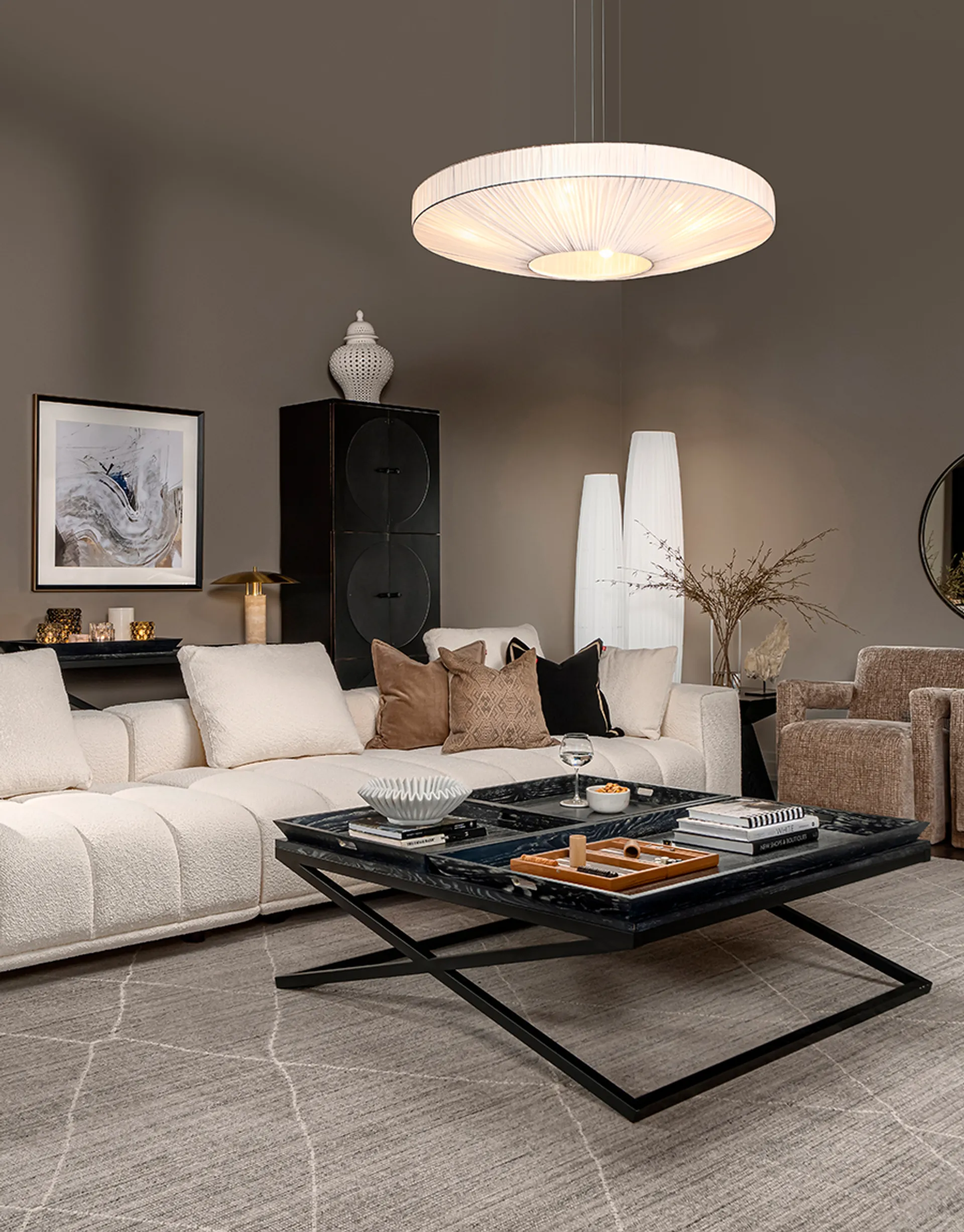
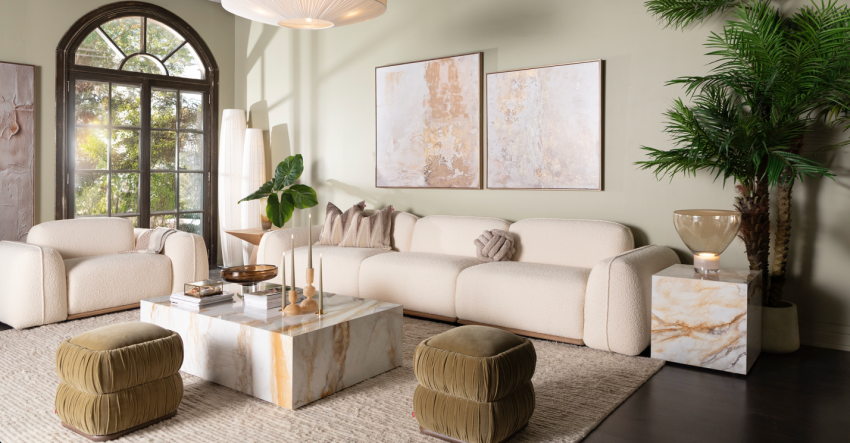
A living room rarely happens all at once. It builds slowly through pieces you choose, move, and live with over time.
A living room doesn’t usually come together in one go. It starts with something—a sofa, a rug, or a chair you didn’t plan for—and builds from there.
Some pieces stay. Others move around. A side table appears where you realise you always put your coffee down. A chair becomes “your” chair without anyone really deciding it.
Over time, the room settles. Not because it’s finished, but because it works.
This guide explores how a living room comes together through the pieces you use, the way you move through the space, and what actually makes it feel complete.
1. It Often Starts with One Key Piece
A living room usually begins with a single anchor, whether it’s a sofa, a chair, or a rug that sets the tone for everything else.
This first piece often shapes the feel of the room. A generous sofa can make the space feel relaxed and welcoming, while an armchair or statement rug can bring personality and definition. From there, the rest of the room begins to take shape.
The key is not to rush. Once that first piece is in place, the room often starts to show you what it needs next.
2. The Pieces You Naturally Gravitate Towards
Certain seats or corners become favourites without planning, shaping how the space is used day to day.
Maybe it’s the armchair near the window, the corner of the sofa closest to the coffee table, or the spot where the light feels best in the evening. These small habits reveal how your living room is truly lived in.
The best living room furniture supports these patterns rather than forcing a layout that only looks good on paper. The most inviting spaces are shaped around comfort, movement and everyday life.
3. The Smaller Pieces That Make It Work
Side tables, lighting and in-between elements may not stand out, but they quietly make the room more functional and comfortable.
A coffee table brings a seating area together. A side table gives you somewhere to place a book, a cup of coffee or a lamp. Storage helps keep the room organised without making it feel sparse. Lighting softens the space and helps it transition from daytime activity to relaxed evenings.
These smaller pieces often make the biggest difference because they support the way people actually use the room.
4. Layouts That Evolve Over Time
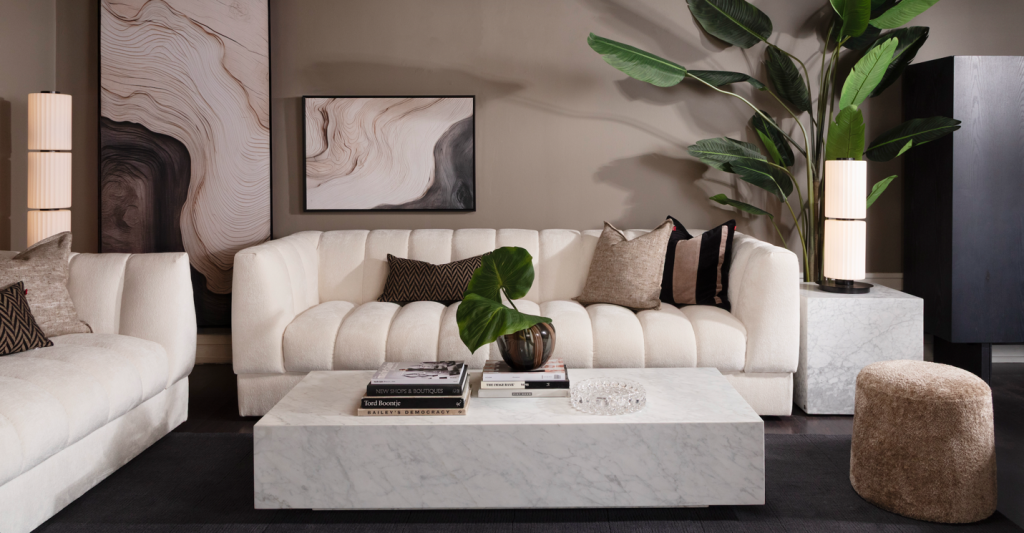
Furniture moves, layouts shift and spaces adapt as your needs change. Nothing is ever completely fixed.
A living room may begin one way and gradually evolve as life changes around it. You may need more seating, a better flow through the room, or extra storage as your needs grow.
This is one reason modular sofas have become such a popular choice. They allow you to create a seating solution that fits your room, your lifestyle and your budget from the start, rather than trying to make a standard sofa work.
A well-designed living room should never feel too rigid. It should leave room for change.
5. Balance Over Matching
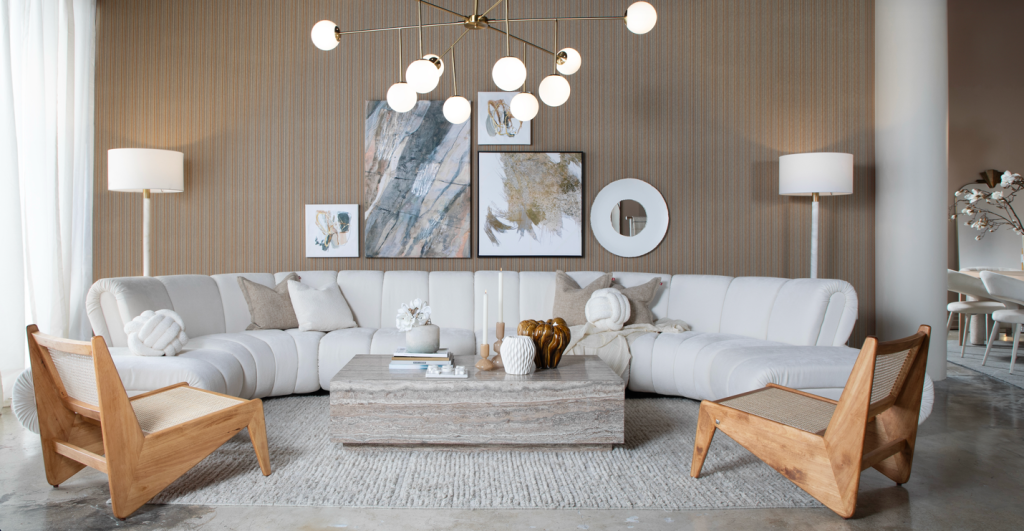
A living room doesn’t need everything to match. It simply needs to feel cohesive and considered.
Matching every piece can sometimes make a room feel flat. What matters more is balance—the right mix of textures, shapes, materials and proportions. A soft fabric sofa can sit beautifully alongside a wooden coffee table. A contemporary side table can work effortlessly with a more traditional armchair.
The goal is to create a space that feels connected rather than overly styled. When pieces complement one another, the room feels more natural and personal.
A Living Room That Comes Together Over Time
Explore our collection of living room furniture designed to adapt to your space, from modular sofas and armchairs to coffee tables, side tables and storage solutions that work the way you live.
The truth is, most living rooms are never really finished. They evolve as routines change, families grow and new pieces find their place. A chair moves closer to the window. A side table appears beside a favourite seat. A sofa becomes the spot everyone naturally gathers around.
The rooms that feel the most inviting are rarely the ones that were completed in a single shopping trip. They’re the ones that have come together gradually through everyday living, thoughtful choices and pieces that continue to earn their place over time.